
Why Natural Preservatives Matter in Skin Care and Why to Avoid Phenoxyethanol

A face cream can look pure, smell beautiful,feels nice and still become unsafe if it is not preserved well. Any skin care product that contains water, aloe juice, hydrosols, botanical extracts, or other water-based ingredients can grow bacteria, yeast, and mold over time. That is why preservatives are not optional in most formulas. They are part of product safety.
The real question is not whether skin care needs preservation. It does. The better question is which preservation system protects the product while respecting the skin and the values behind the formula.
Natural preservatives have become more popular because many people want skin care that feels thoughtful from start to finish. They want fewer harsh synthetics, more plant-based ingredients, and formulas that do not rely on controversial chemicals. One preservative that often comes up in this conversation is phenoxyethanol.
Phenoxyethanol is common, effective, and widely used. It is also one of the ingredients many natural skin care brands choose to avoid. Here is why that choice matters.
Preservatives protect more than shelf life
Preservatives often get treated like unwanted extras, but they play a serious role. They help stop microbes from growing inside a product after it is made, shipped, opened, and used.
This matters because skin care is handled in real life, not in a sterile lab. Fingers dip into jars. Bathroom steam gets into lids. Droppers touch skin. Products sit in warm rooms, gym bags, and shower shelves. All of that creates chances for contamination.
Without a good preservative system, a lotion or serum can become a place where unwanted microbes thrive. That can lead to:
Changes in smell, color, or texture
Mold growth that may or may not be visible
Skin irritation or breakouts
A higher risk of infection, especially on damaged or sensitive skin
A product that spoils long before the customer expects it to
Oil-only products, such as facial oils, cleansing balms, and body butters with no water, usually do not need the same type of antimicrobial preservative. They may still need antioxidants, such as vitamin E or rosemary extract, to slow rancidity. But once water enters the formula, preservation becomes a safety issue.
A well-preserved product should do two things at once. It should keep the formula stable, and it should remain gentle enough for regular use.
What natural preservatives actually are
The phrase “natural preservative” can be confusing. It does not mean tossing a few herbs into a lotion and hoping for the best. Real preservation requires careful formulation, the right pH, compatibility with other ingredients, and testing.
Natural and naturally derived preservative systems often use ingredients such as:
Organic acids
Fermented ingredients
Plant-derived alcohols
Essential oil components
Chelating agents from natural sources
Antioxidants from botanicals
Multifunctional ingredients that support preservation
Common examples include potassium sorbate, sodium benzoate, benzyl alcohol, dehydroacetic acid, levulinic acid, anisic acid, glyceryl caprylate, and certain fermented radish root filtrates. Some of these ingredients are nature-identical or naturally derived rather than simply raw plant extracts.
That distinction matters. A preservative can be inspired by nature and still be refined for safety, stability, and consistent performance. In skin care, consistency is a good thing.
Natural preservation also works best when the whole formula supports it. For example, potassium sorbate and sodium benzoate work better in lower-pH formulas. A preservative that works in a toner may not work well in a rich cream. A botanical extract may support a system, but it rarely replaces a complete preservative on its own.
The best natural preservation systems are not chosen because they sound pretty on a label. They are chosen because they fit the formula.
Why many brands choose natural preservatives
Natural preservatives appeal to both formulators and customers for several reasons. The strongest reason is alignment. If a product is built around plant oils, mineral-rich clays, herbal extracts, and gentle surfactants, it makes sense to preserve it with ingredients that fit the same philosophy.
That does not mean every synthetic ingredient is harmful or every natural ingredient is gentle. Poison ivy is natural. So are many fragrance allergens. Skin care needs more nuance than “natural good, synthetic bad.”
Still, natural preservative systems can offer a cleaner fit for products designed for sensitive, minimalist, or plant-based routines.
They may also support:
Simpler ingredient stories
Lower reliance on petroleum-derived ingredients
Better fit with eco-conscious product standards
More transparency for customers who read labels
A softer overall formula feel when chosen well
Natural preservatives can also encourage better formulation habits. Because they often require tighter control over pH, packaging, water activity, and ingredient compatibility, they push brands to think deeply about the entire product, not just the preservative at the end.
That care can lead to better skin care.

Why phenoxyethanol is so common
Phenoxyethanol is a synthetic preservative used in many cosmetics, including moisturizers, cleansers, serums, makeup, hair care, and baby care products. It is popular because it works well against bacteria, performs across many formula types, and remains stable in a wide pH range.
From a manufacturing standpoint, it is convenient. It does not usually change the smell, color, or texture of a product. It also pairs well with other preservatives, which helps create broad protection against bacteria, yeast, and mold.
That is why it appears on so many ingredient lists.
In many regions, phenoxyethanol is allowed in cosmetics within set concentration limits. In the European Union, for example, it is allowed up to 1% in cosmetic products. In the United States, cosmetics are regulated differently, and brands are responsible for making sure their products are safe when used as directed.
So the concern is not that every product containing phenoxyethanol is automatically dangerous. That would be too broad and not accurate.
The concern is that phenoxyethanol may not be the best fit for every skin type, every product category, or every brand philosophy.
Why avoid phenoxyethanol in skin care
*It does not match natural skin care standards
People avoid phenoxyethanol for several connected reasons. Some are about skin tolerance. Some are about ingredient philosophy. Some are about choosing a more natural direction when other options exist.
It can irritate some skin types
Phenoxyethanol is considered well tolerated by many users, especially at low concentrations. Still, some people report stinging, redness, dryness, or irritation from products that contain it.
This can matter more for people with:
Sensitive skin
A damaged skin barrier
Eczema-prone skin
Rosacea-prone skin
Very dry skin
Skin already irritated by exfoliants or retinoids
Irritation is not always caused by one ingredient. Fragrance, acids, essential oils, surfactants, and preservatives can all play a role. But if someone reacts often to leave-on products, phenoxyethanol is one ingredient worth watching.
A leave-on product, such as a cream or serum, sits on the skin for hours. That creates more contact time than a rinse-off cleanser. For people trying to simplify a sensitive routine, avoiding phenoxyethanol can be a reasonable choice.
Side Effects of Chemical Preservatives
Skin Reactions
Chemical preservatives and parabens can lead to various skin-related issues, particularly for those with sensitive skin. Common side effects include:
Skin irritation
Dryness
Allergic reactions
Hormonal Disruption
Long-term exposure to parabens may disrupt hormonal functions in the body. This disruption can potentially lead to reproductive health issues, affecting both men and women.
It does not match natural skin care standards
Phenoxyethanol is not usually accepted by strict natural or organic certification standards. That is one reason many natural brands avoid it, even when they acknowledge that it is effective.
Parabens | - Allergic reactions - Hormonal disruption - Reproductive toxicity |
Formaldehyde | - Skin irritation - Allergic reactions - Potential carcinogenic effects |
Triclosan | - Skin irritation - Endocrine disruption - Environmental concerns |
Health Concerns
For a brand committed to plant-based or naturally derived formulas, preservation is part of the promise. Customers who choose natural skin care often expect the full formula to reflect that approach, not only the oils, butters, and extracts featured on the front label.
Using natural preservatives in skin care products helps keep that promise more consistent.
It may be less appealing for baby and nipple care products
Products used around babies, nursing parents, or the mouth need extra caution. Babies have developing bodies, and products used near the nipple may be accidentally ingested in trace amounts.
For that reason, many people prefer to avoid phenoxyethanol in baby products, nipple balms, lip products, and anything likely to get near the mouth. This does not mean panic is needed. It means the product category matters.
A preservative used in a wash-off body cleanser is not the same as a preservative used in a balm that may be ingested. Context should guide the decision.
It can add to the total irritation load
Skin does not experience ingredients in isolation. It experiences the whole formula. A product may contain phenoxyethanol, parabens along with fragrance, exfoliating acids, alcohol, essential oils, or strong surfactants. Each one may be present at a level considered acceptable, but together they can become too much for some skin.
This is often called the irritation load. When skin is calm and healthy, it may handle a lot. When the barrier is stressed, even a familiar product can suddenly sting.
Avoiding phenoxyethanol can be one way to lower the number of potential irritants in a daily routine.

Natural does not mean unpreserved
One common mistake in natural skin care is assuming that preservative-free means better. For water-based products, that can be risky.
A “preservative-free” lotion, cream, gel, toner, or serum may sound gentle, but it needs another way to stay safe. Sometimes brands use packaging or formulation methods that reduce contamination risk. Airless pumps are helpful. Low-water or anhydrous formulas can reduce the need for antimicrobial preservatives. Single-use packaging can also help.
But if a product contains water and is meant to last for months after opening, it needs a real preservation strategy.
Natural skin care should not mean fragile skin care. It should mean products made with care, using safer ingredient choices, thoughtful packaging, and honest shelf-life guidance.
If a cream smells sour, changes color, separates oddly, grows visible mold, or suddenly irritates the skin, stop using it. Even natural products should remain stable and pleasant during their intended use period.
How to read a preservative system on a label
Preservatives often appear near the end of an ingredient list because they are used in small amounts. That does not mean they are unimportant.
When reading a label, scan for both the preservative and its support system. A formula may use more than one ingredient to protect against different microbes. It may also include a chelator, which helps preservatives work better by binding metal ions that can affect stability.
Phenoxyethanol may appear by itself or with partners such as ethylhexylglycerin. Natural-leaning products may list combinations such as benzyl alcohol with dehydroacetic acid, sodium benzoate with potassium sorbate, or other naturally derived multifunctional ingredients.
A good label does not need to be perfect. It needs to be clear.
Here are a few practical tips:
For sensitive skin, choose fragrance-free when possible
For leave-on products, pay closer attention to preservatives and fragrance allergens
For jars, use clean hands or a spatula
For natural products, follow storage directions closely
For products used near babies or the mouth, choose extra simple formulas
For any new product, patch test before applying it widely
Patch testing is simple. Apply a small amount to a discreet area, such as the inner arm or behind the ear, and watch for irritation over the next day or two. It does not guarantee zero risk, but it can help catch obvious reactions.
The best preservative choice is the one that fits the whole formula
There is no single preservative that works for every product. A clay mask, body lotion, facial mist, cream cleanser, and vitamin C serum all have different needs. The best choice depends on water content, pH, packaging, ingredient mix, intended shelf life, and how the product will be used.
Natural preservatives are not easier. In many cases, they require more skill. They can be sensitive to pH, scent, and formula type. Some can affect texture. Some work best only when combined with other ingredients. That is why responsible natural formulation includes stability testing and microbial testing.
Still, the effort can be worth it.
A thoughtful natural preservative system can help create a product that feels safer, cleaner, and more aligned with a conscious skin care routine. It can protect the formula without relying on phenoxyethanol. It can also make the ingredient list feel more consistent from the first ingredient to the last.
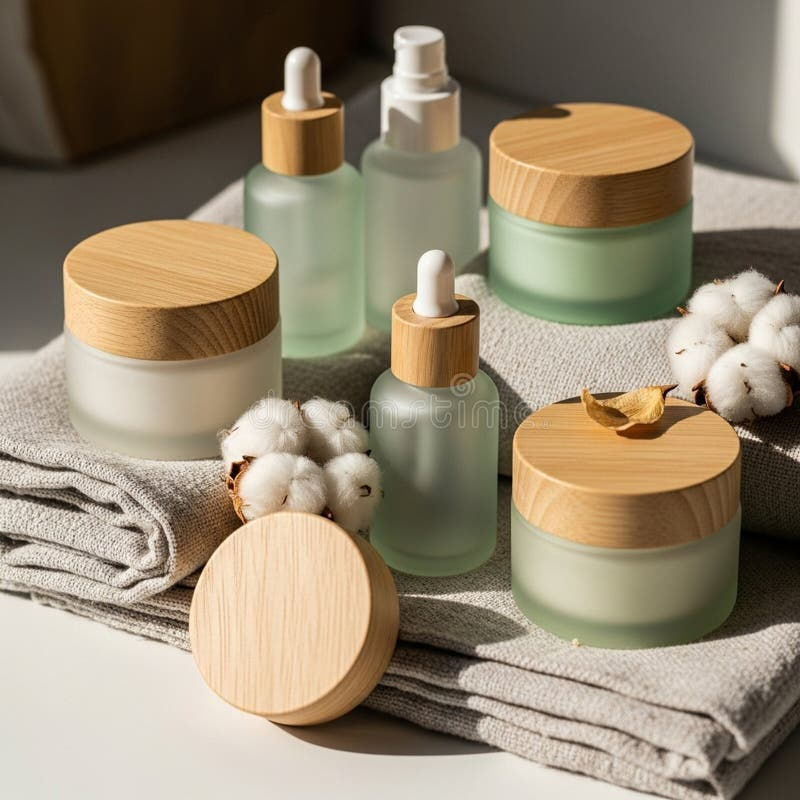
A balanced takeaway for safer skin care
Preservatives matter because they keep water-based skin care safe. Natural preservatives matter because they can do that job while supporting a gentler, more ingredient-conscious approach.
Phenoxyethanol is popular because it works. But many people choose to avoid it because it can irritate sensitive skin,disrupt hormonal functions in the body, does not fit many natural product standards, and may not feel like the best option for products used on babies, lips, or compromised skin.
The goal is not fear. The goal is better choices.
Choose skin care that is preserved responsibly, labeled clearly, and made with the whole formula in mind. A truly thoughtful product protects both the jar and the skin it touches.


Comments